
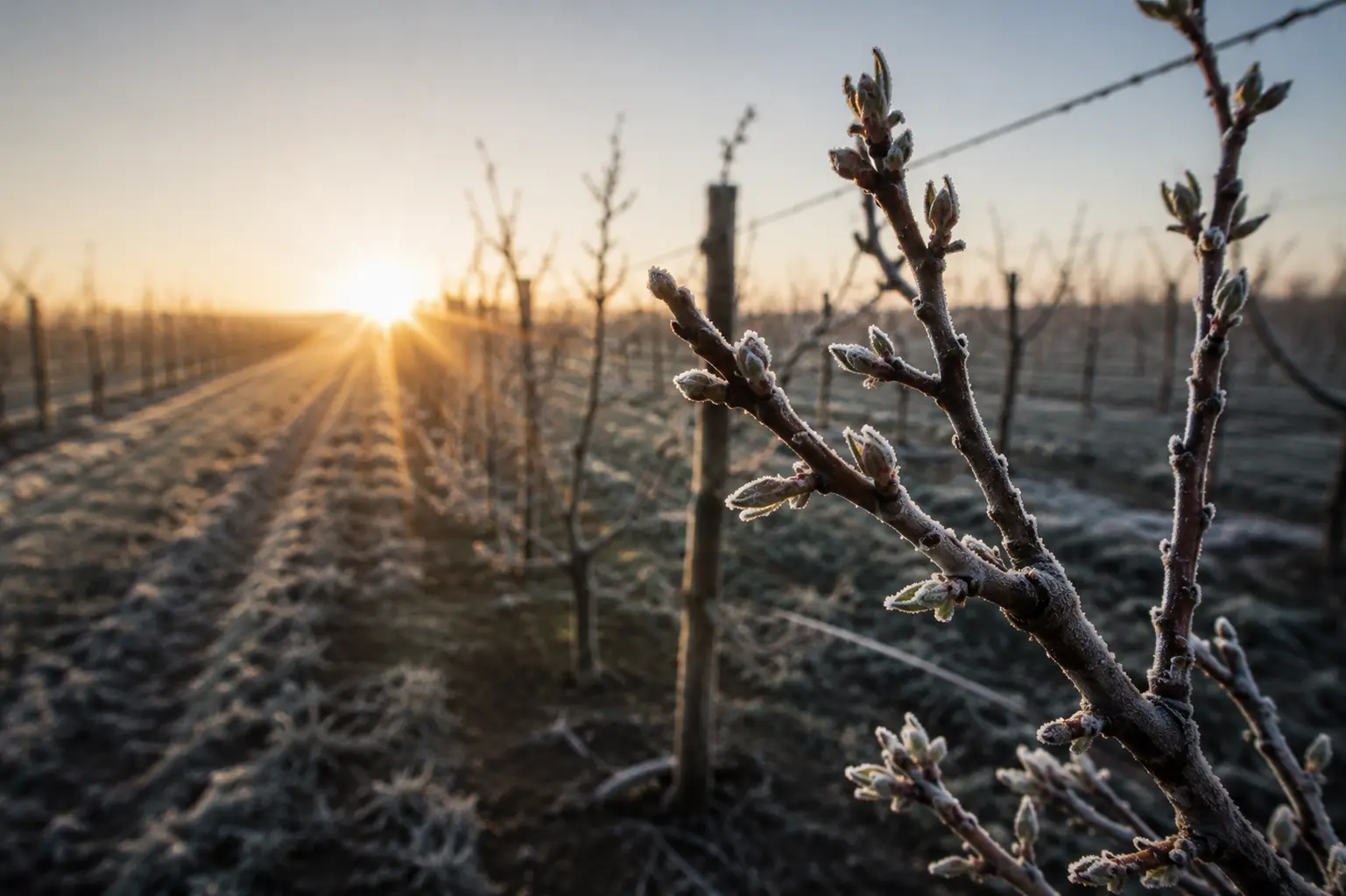
Climate change is increasing the frequency and intensity of droughts, unexpected frost events, and temperature fluctuations across agricultural regions worldwide. These abiotic stress factors disrupt normal plant physiology, reducing growth, crop quality, and overall productivity. As environmental conditions become more unpredictable, improving crop resilience has become a critical component of sustainable agriculture.
Plant biostimulants provide an effective, science-based approach to strengthening the plant’s natural ability to cope with environmental stress. Rather than creating a protective barrier around the plant, biostimulants activate and support internal physiological processes that help crops adapt more effectively to adverse growing conditions. By improving stress tolerance before visible damage occurs, they contribute to healthier plants and more stable production throughout the growing season.
Why Drought and Frost Are Major Agricultural Challenges
Although drought and frost affect plants in different ways, both interfere with essential physiological processes.
During drought, insufficient soil moisture limits water uptake, reduces nutrient availability, and slows photosynthesis. As dehydration progresses, plant growth becomes restricted and yield potential declines.
Frost stress, on the other hand, damages plant tissues through the formation of ice crystals that disrupt cellular integrity. Even short periods of freezing temperatures during sensitive growth stages can significantly reduce crop quality and productivity.
Helping plants prepare for these environmental conditions before severe damage occurs is therefore essential for maintaining consistent crop performance.
How Biostimulants Improve Drought Tolerance
One of the first physiological responses supported by plant biostimulants is improved root development.
Biologically active compounds such as humic substances, amino acids, protein hydrolysates, and seaweed extracts stimulate the formation of fine feeder roots, allowing plants to explore a larger soil volume for available water and nutrients.
Biostimulants also support osmotic regulation, helping plant cells maintain water balance during periods of limited soil moisture. By improving cellular hydration and preserving turgor pressure, plants remain physiologically active even under moderate drought stress.
In addition, biostimulants contribute to balanced stomatal regulation. Rather than allowing excessive water loss or completely shutting down photosynthesis, they help plants optimize water use while maintaining essential metabolic activity.
Together, these physiological responses improve water-use efficiency and increase the plant’s capacity to tolerate prolonged dry conditions.
Supporting Plant Performance During Frost Stress
Cold stress presents different physiological challenges.
As temperatures fall below freezing, water inside or between plant cells may form ice crystals capable of damaging cellular membranes and structural tissues.
Biostimulants support natural cold-response mechanisms by improving cellular stability and strengthening structural integrity before severe stress develops.
Enhanced osmotic adjustment contributes to better protection of cellular fluids, while improved nutrient utilization supports stronger cell walls and membrane stability. These physiological adaptations help reduce the severity of frost-related damage and support faster recovery once temperatures return to normal.
Although biostimulants cannot prevent freezing under extreme conditions, they improve the plant’s ability to withstand moderate cold stress and minimize physiological injury.
Antioxidant Defense: A Shared Response to Environmental Stress
Both drought and frost trigger oxidative stress within plant tissues.
Under adverse environmental conditions, plants produce excessive levels of reactive oxygen species (ROS), which can damage proteins, lipids, DNA, and cellular membranes if left uncontrolled.
Plant biostimulants stimulate the plant’s endogenous antioxidant defense system, enhancing the activity of enzymes responsible for neutralizing these reactive molecules.
By reducing oxidative damage, biostimulants help preserve cellular function, maintain metabolic activity, and support faster recovery following periods of environmental stress.
Building More Resilient Crops for Sustainable Agriculture
Modern agriculture increasingly depends on technologies that improve productivity while optimizing the use of natural resources.
Plant biostimulants contribute to this objective by strengthening natural physiological processes involved in water management, nutrient utilization, cellular protection, and stress adaptation.
Rather than replacing conventional fertilization or irrigation practices, they complement integrated crop management strategies by improving the plant’s capacity to perform under variable environmental conditions.
As drought and frost events become more frequent, supporting crop resilience through biologically based solutions will play an increasingly important role in sustainable agricultural production.
Environmental stress cannot be eliminated, but its impact on crop productivity can be significantly reduced by improving the plant’s natural adaptive capacity.
Through stronger root development, improved osmotic regulation, enhanced cellular stability, and increased antioxidant activity, plant biostimulants help crops tolerate drought and frost more effectively.
Integrated into modern crop management programs, biostimulants provide growers with a practical and science-based solution for improving resilience, protecting yield potential, and supporting sustainable agricultural production in a changing climate.