
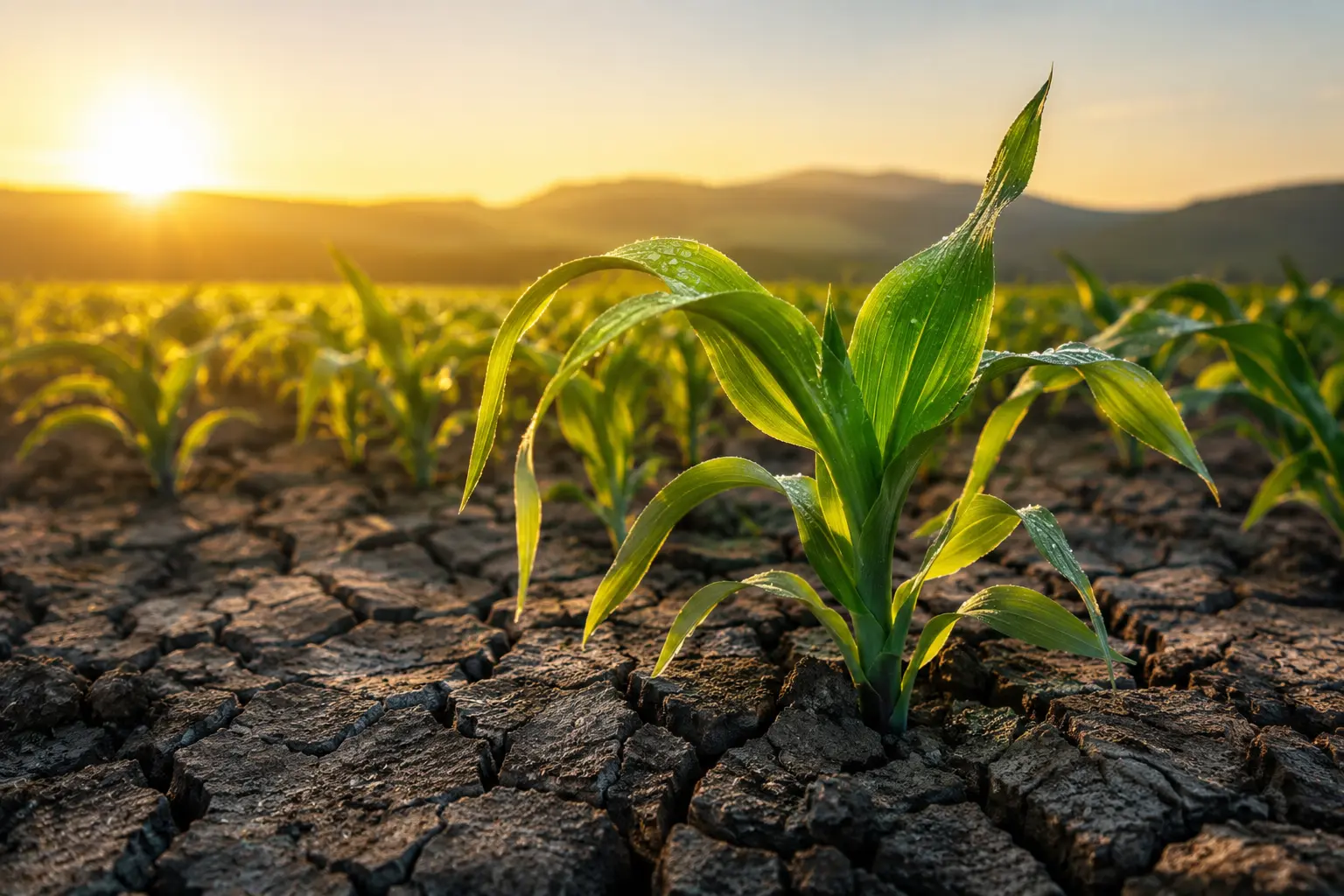
Agricultural production is increasingly challenged by abiotic stress factors such as drought, frost, salinity, and extreme temperatures. These environmental conditions disrupt normal plant physiology, reducing growth, crop quality, and yield. As climate variability continues to affect agricultural systems worldwide, improving crop resilience has become a key objective of sustainable farming.
Plant biostimulants have emerged as an effective tool for supporting crops under these challenging conditions. Rather than acting as a physical barrier against environmental stress, biostimulants enhance the plant’s own physiological defense mechanisms. By optimizing natural biological processes, they help plants maintain metabolic activity, improve resource efficiency, and recover more effectively after periods of stress.
Understanding Plant Responses to Abiotic Stress
Plants continuously interact with their environment. When exposed to drought, frost, or other abiotic stresses, they rapidly adjust their metabolism to improve survival. These responses include changes in root growth, water regulation, cellular metabolism, and antioxidant activity.
However, prolonged or severe stress often exceeds the plant’s natural capacity to adapt. Reduced photosynthesis, impaired nutrient uptake, cellular damage, and oxidative stress ultimately limit productivity.
Biostimulants support these natural adaptive responses, enabling plants to tolerate environmental challenges more effectively while maintaining healthier physiological activity.
Supporting Drought Tolerance Through Improved Plant Physiology
Drought stress primarily affects the plant’s ability to absorb sufficient water while increasing water loss through transpiration. As soil moisture declines, plants experience reduced cell turgor, slower growth, and lower photosynthetic efficiency.
One of the primary ways biostimulants improve drought tolerance is by promoting stronger root architecture. Biologically active compounds such as humic substances, protein hydrolysates, amino acids, and seaweed extracts stimulate root development, encouraging the formation of fine feeder roots that explore a larger soil volume. This expanded root system allows plants to access water more efficiently, even under limited moisture conditions.
Biostimulants also contribute to osmotic regulation within plant cells. Certain amino acids and compatible solutes help maintain cellular water balance by supporting osmotic adjustment. This enables plant cells to retain water more effectively, preserving cell turgor and reducing the physiological impact of dehydration.
Another important mechanism involves stomatal regulation. During drought, plants often close their stomata to reduce water loss, but prolonged closure also limits carbon dioxide uptake and photosynthesis. By supporting balanced physiological regulation, biostimulants help plants optimize stomatal function, improving water-use efficiency while maintaining essential metabolic processes.
Improving Plant Resilience During Frost Events
Cold temperatures affect plants differently from drought. The primary source of frost injury is the formation of ice crystals within or between plant cells, which can damage cellular structures and disrupt membrane integrity.
Biostimulants support the plant’s natural cold-response mechanisms by promoting physiological adjustments before severe cellular damage occurs.
One important response is osmotic adjustment. By increasing the concentration of compatible solutes within plant cells, biostimulants help lower the freezing point of cellular fluids. Although this does not prevent freezing under extreme conditions, it may reduce the severity of damage during moderate frost events by improving cellular stability.
Biostimulants also contribute to stronger cell structure through improved nutrient utilization. Efficient calcium transport and balanced cell wall development help maintain membrane stability and increase resistance to mechanical stress associated with freezing and thawing cycles.
Supporting healthy cellular metabolism before periods of cold stress allows plants to recover more rapidly once temperatures return to favorable levels.
Managing Oxidative Stress Through Antioxidant Activity
Regardless of whether stress is caused by drought, frost, salinity, or heat, plants often experience oxidative stress.
Under unfavorable environmental conditions, cells produce excessive amounts of reactive oxygen species (ROS). While ROS molecules naturally participate in cellular signaling, excessive accumulation damages proteins, lipids, DNA, and cellular membranes, accelerating tissue deterioration.
Biostimulants help regulate this process by stimulating the plant’s endogenous antioxidant defense system.
Enhanced activity of antioxidant enzymes supports the neutralization of reactive oxygen species, reducing oxidative damage and helping plants maintain healthier physiological function throughout stressful periods.
This antioxidant response represents one of the most important mechanisms through which biostimulants improve overall stress resilience.
Strengthening Plant Resilience for Sustainable Agriculture
Modern agriculture increasingly requires solutions that improve crop performance without relying solely on higher input use.
Plant biostimulants contribute to this objective by supporting natural physiological processes that improve nutrient use efficiency, root development, water-use efficiency, and tolerance to abiotic stress.
Rather than replacing fertilizers or irrigation, biostimulants complement integrated crop management programs by helping plants utilize available resources more efficiently while improving their capacity to adapt to changing environmental conditions.
As climate variability continues to influence agricultural production, strengthening crop resilience through biologically based technologies will remain an essential component of sustainable farming strategies.
Drought and frost represent two of the most significant environmental challenges affecting modern agriculture. While these stresses cannot be eliminated, improving the plant’s natural ability to respond to them can significantly reduce their impact on crop performance.
By promoting stronger root systems, supporting osmotic regulation, optimizing stomatal function, and enhancing antioxidant activity, plant biostimulants help crops maintain healthier physiological processes under adverse conditions.
Integrated into balanced crop management programs, biostimulants provide a science-based approach to improving stress tolerance, protecting crop productivity, and supporting more resilient agricultural systems in an increasingly unpredictable climate.