Modern agriculture is evolving beyond the traditional goal of simply producing higher yields. Today, agricultural efficiency is increasingly defined by how effectively crops utilize available resources while maintaining stable productivity under changing environmental conditions. Water scarcity, rising input costs, soil degradation, and climate variability require production systems that maximize efficiency without compromising sustainability.
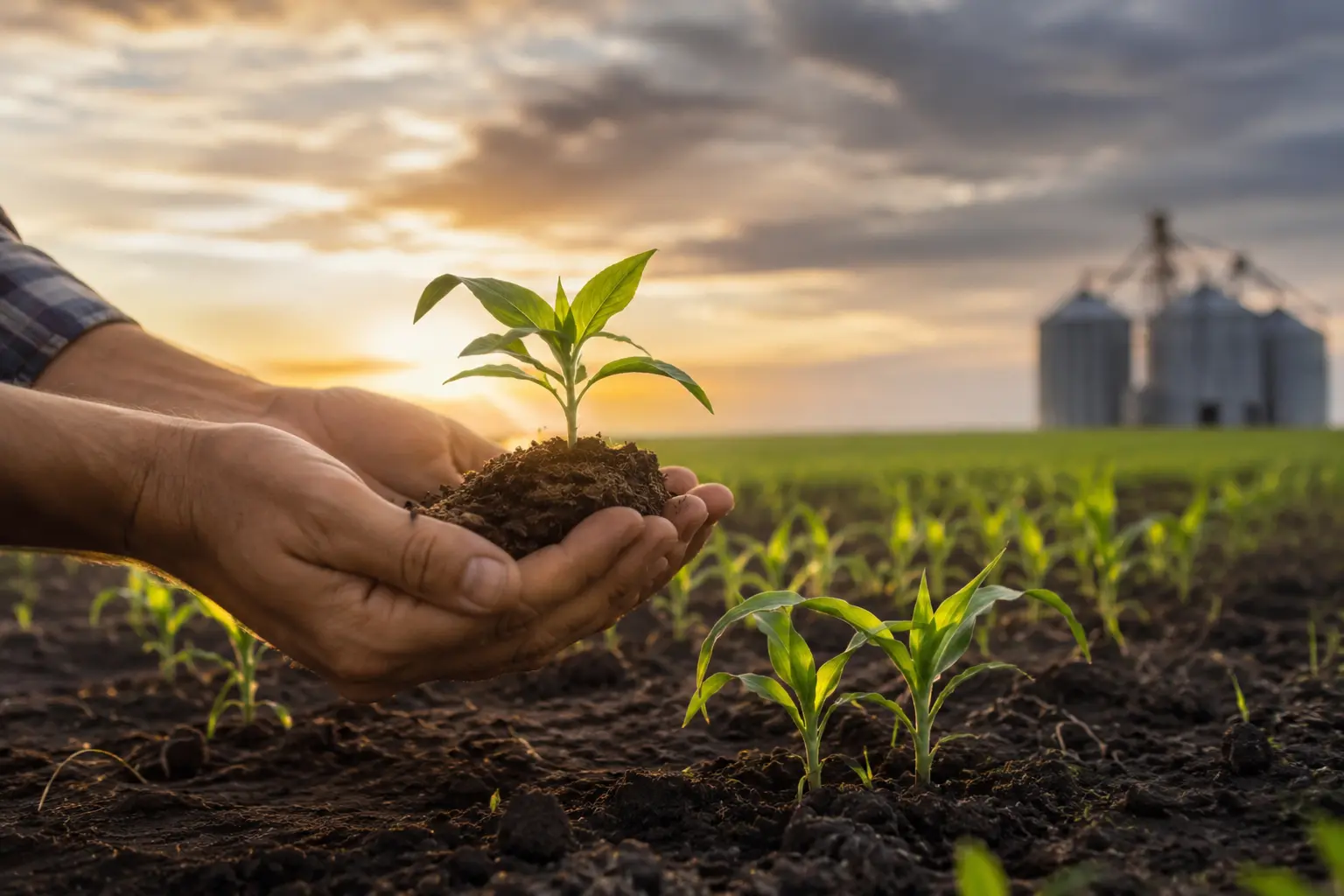
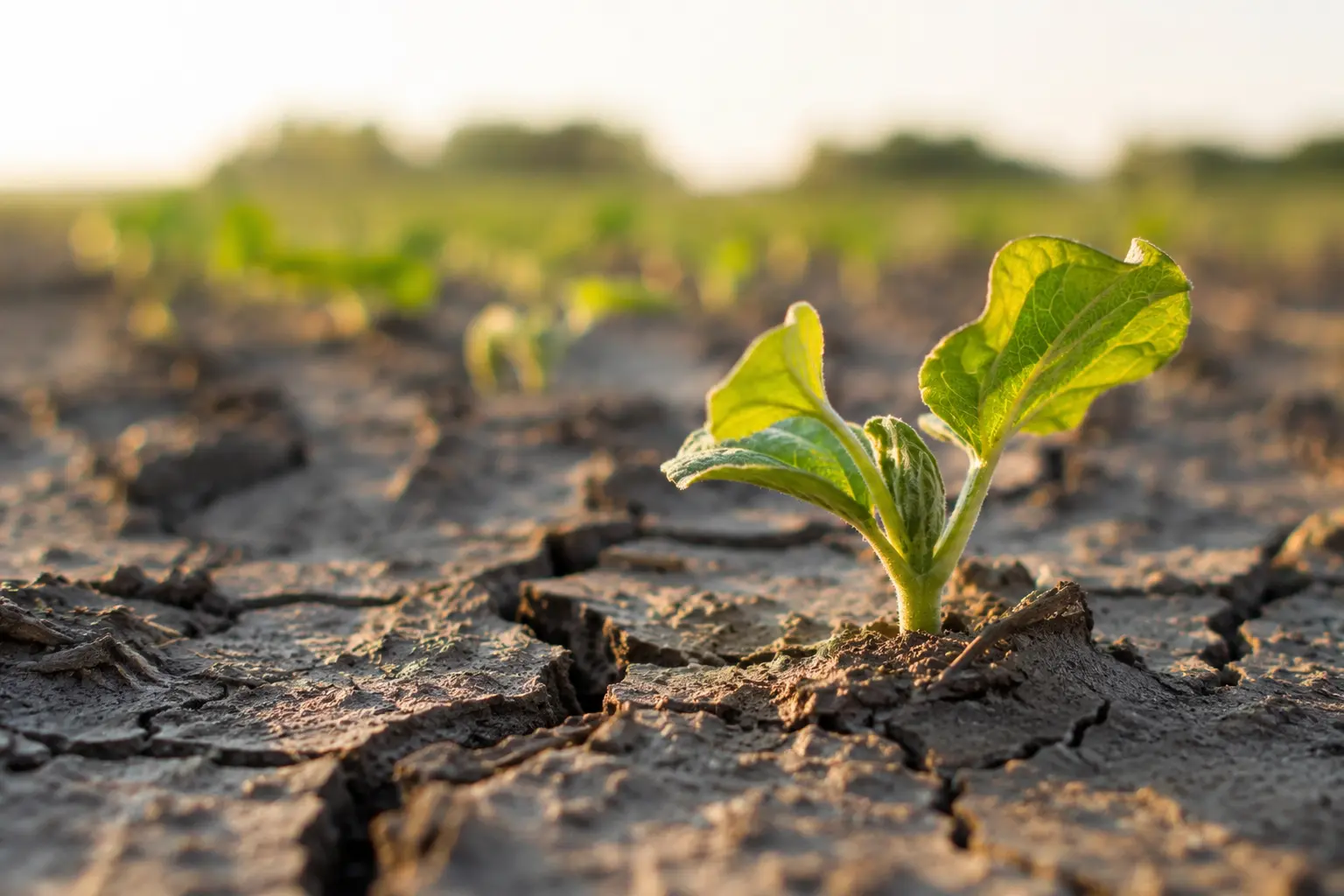
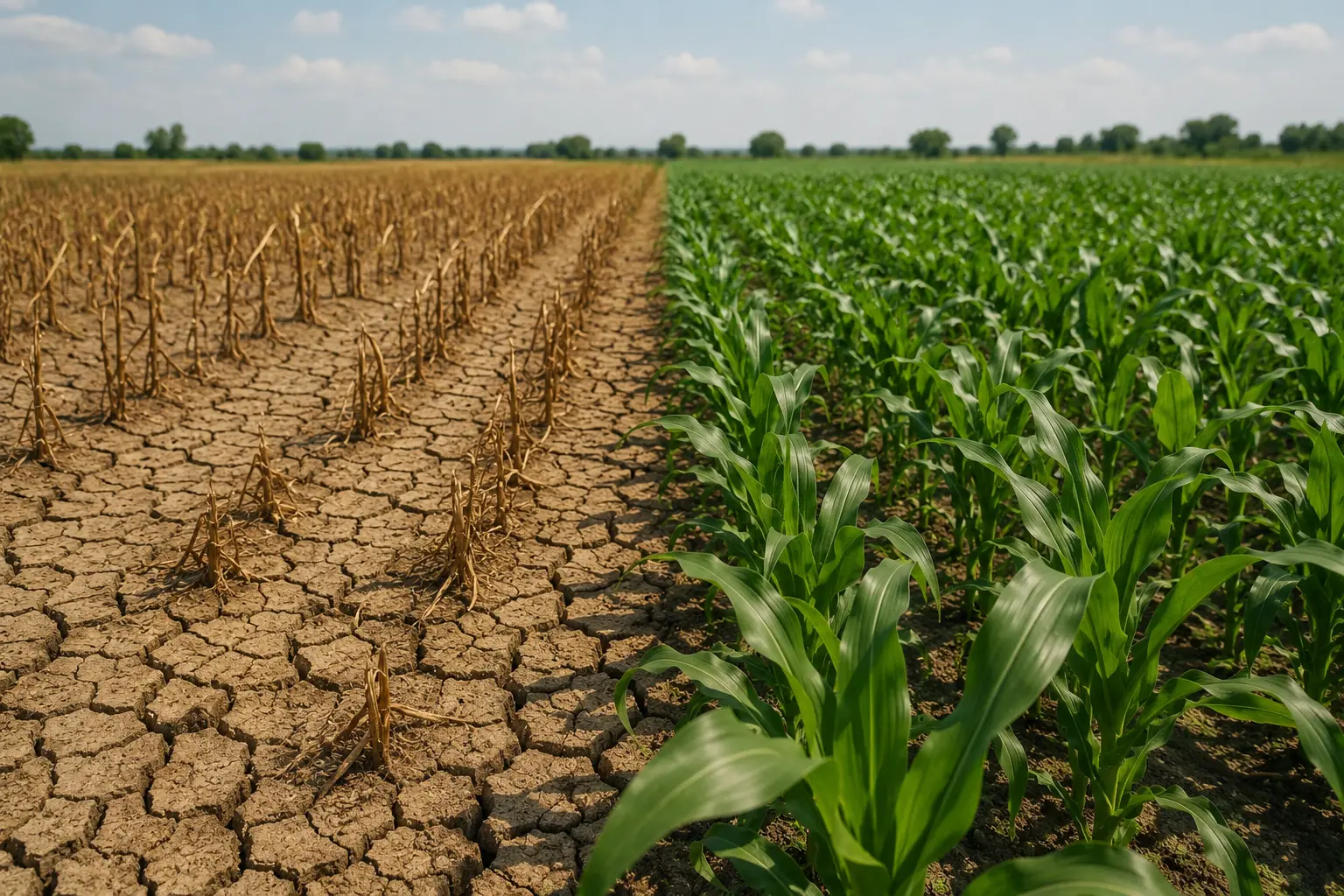
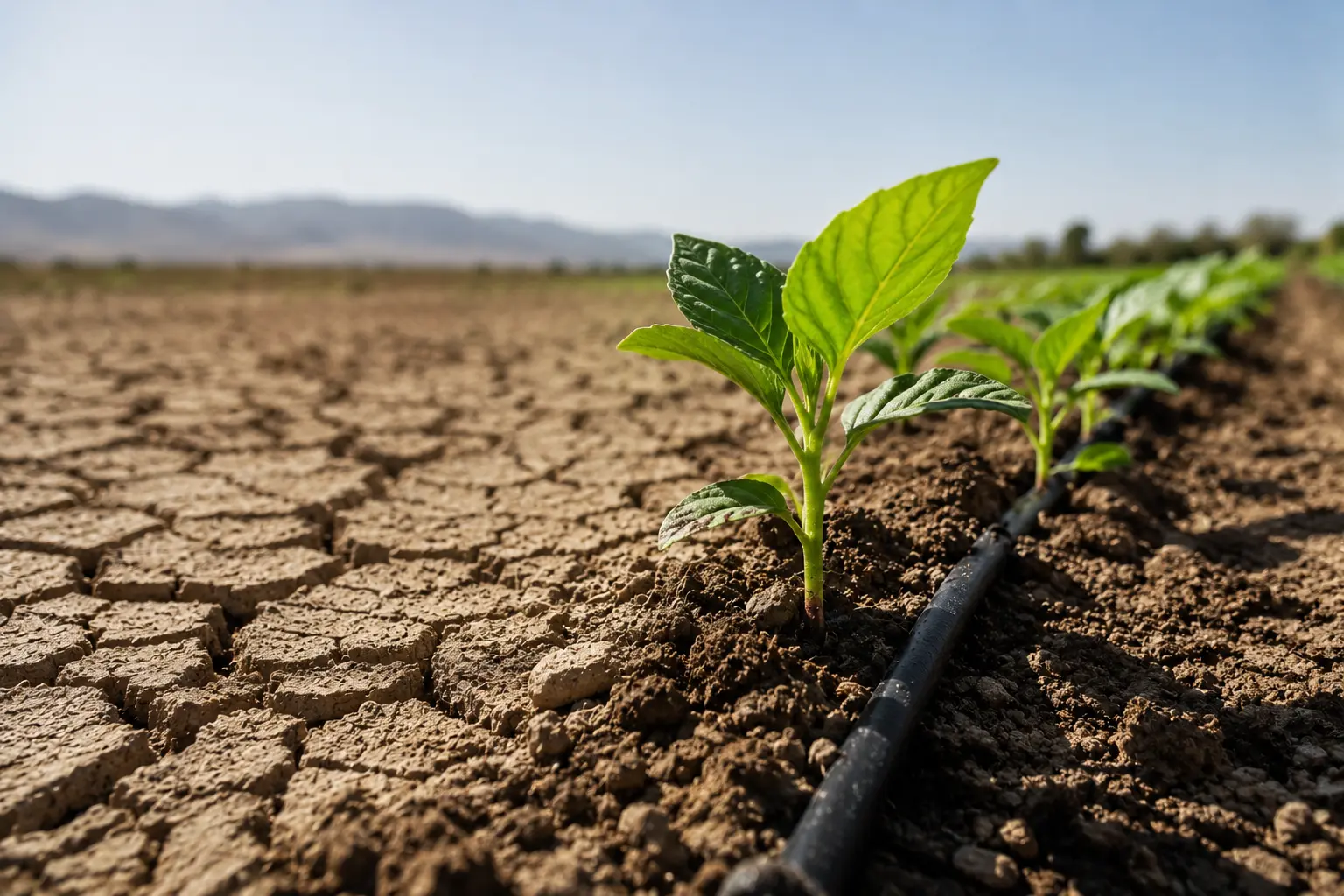
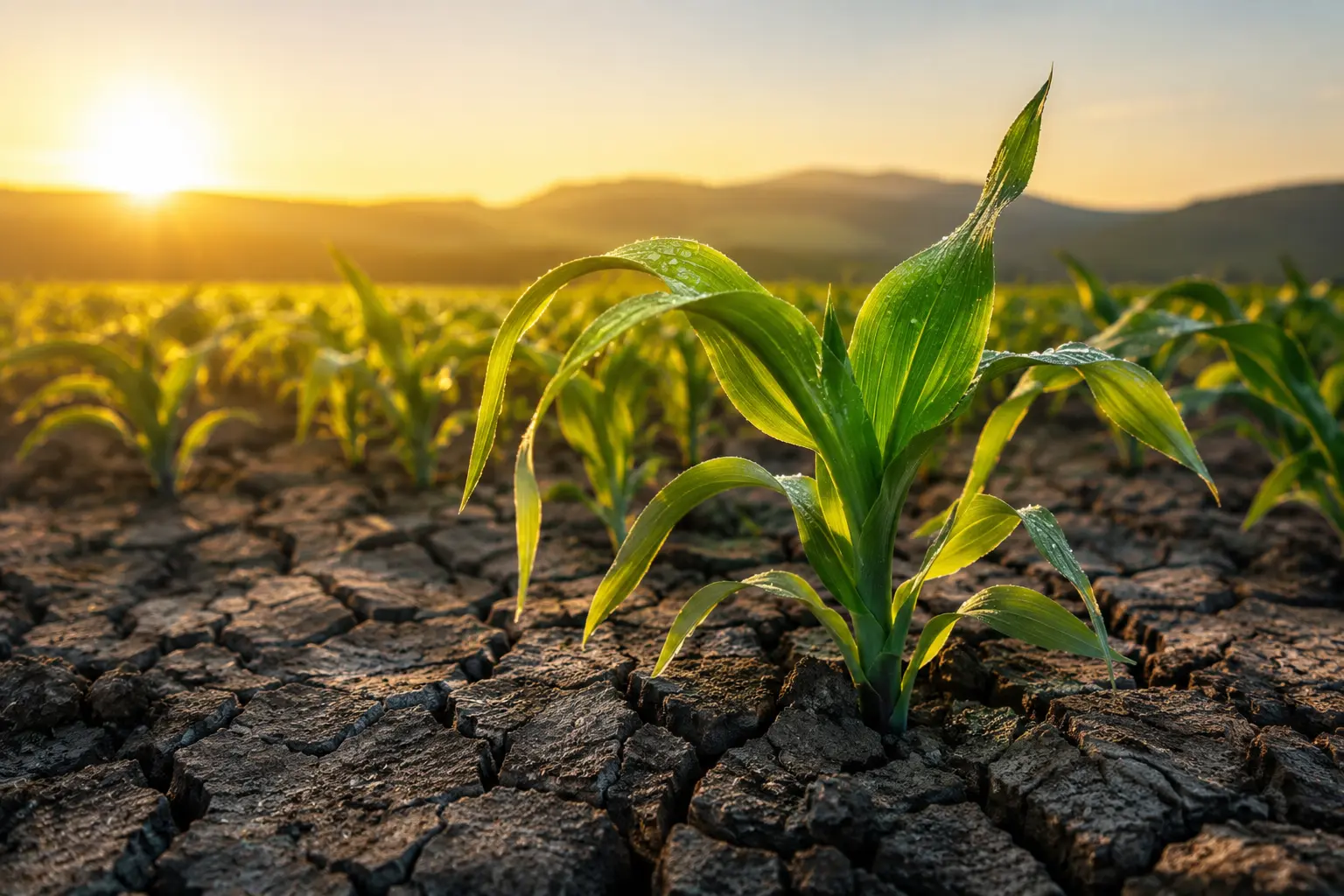
Drought is one of the most significant environmental challenges affecting modern agriculture. As water availability declines, plants experience physiological stress that limits nutrient uptake, reduces photosynthetic activity, slows growth, and ultimately decreases crop productivity. With climate change increasing the frequency and duration of drought events worldwide, improving plant resilience has become a key objective of sustainable crop production.
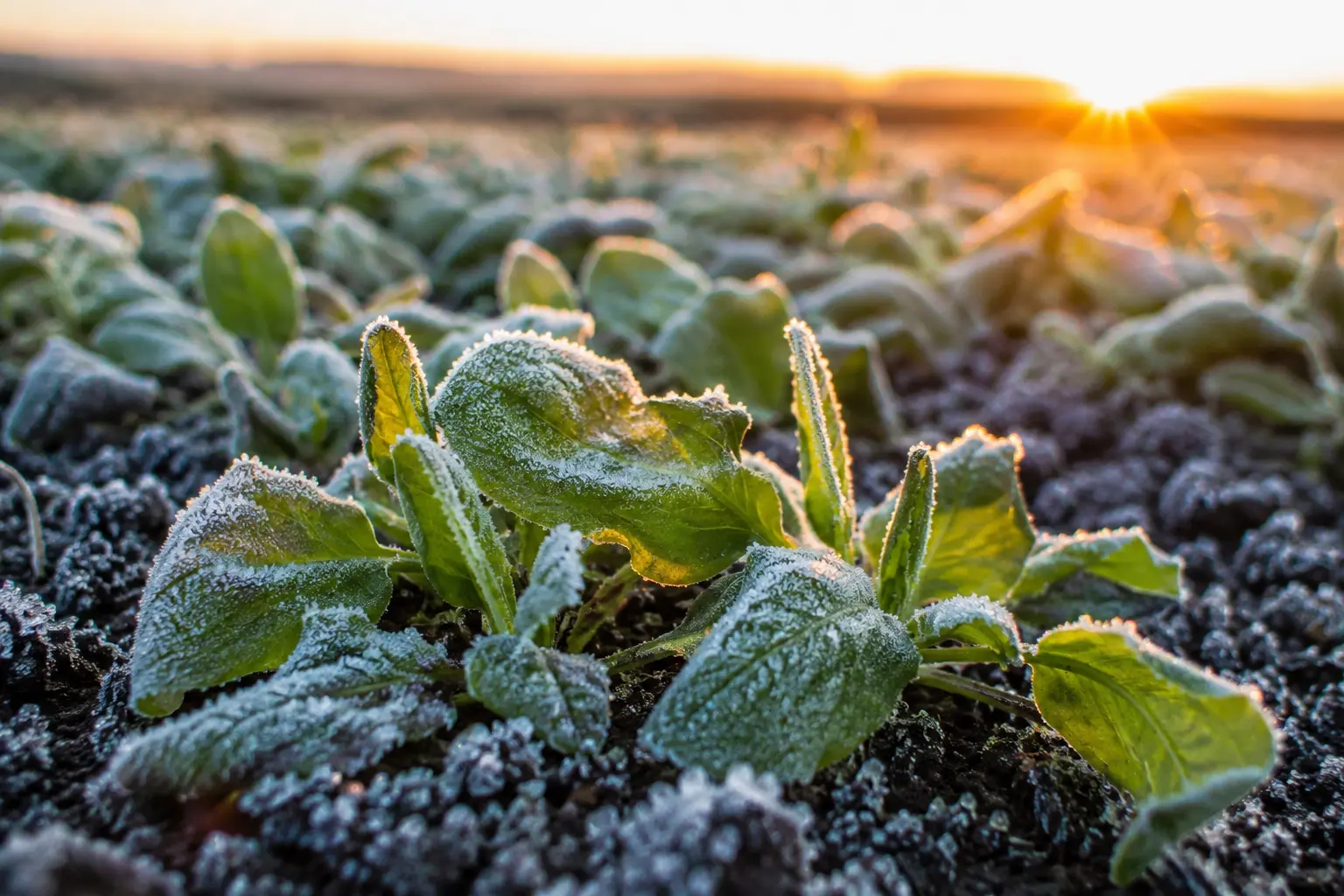
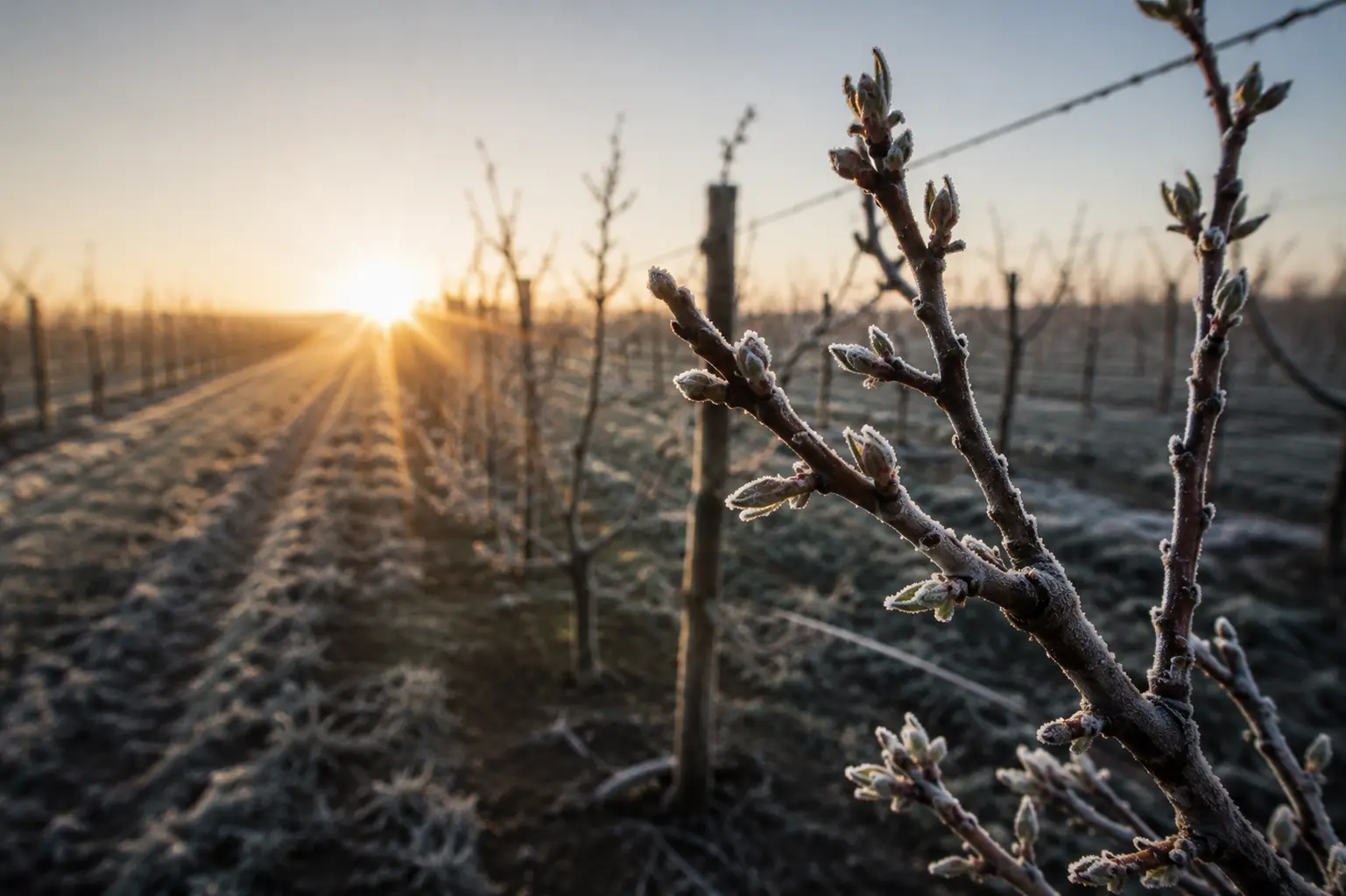
Agricultural frost is one of the most significant environmental risks affecting crop production worldwide. Even a short period of sub-zero temperatures can damage sensitive plant tissues, reduce crop quality, and cause substantial yield losses. Young shoots, flowers, and newly developing fruits are particularly vulnerable, making frost events a major concern during critical growth stages.
Climate change is transforming agriculture in ways that extend far beyond rising temperatures. Increasing climate variability now exposes crops to prolonged droughts, unexpected frost events, irregular rainfall, heat waves, and sudden flooding. These unpredictable environmental conditions directly affect plant growth, crop quality, and yield, making resilience one of the most important priorities in modern agriculture.
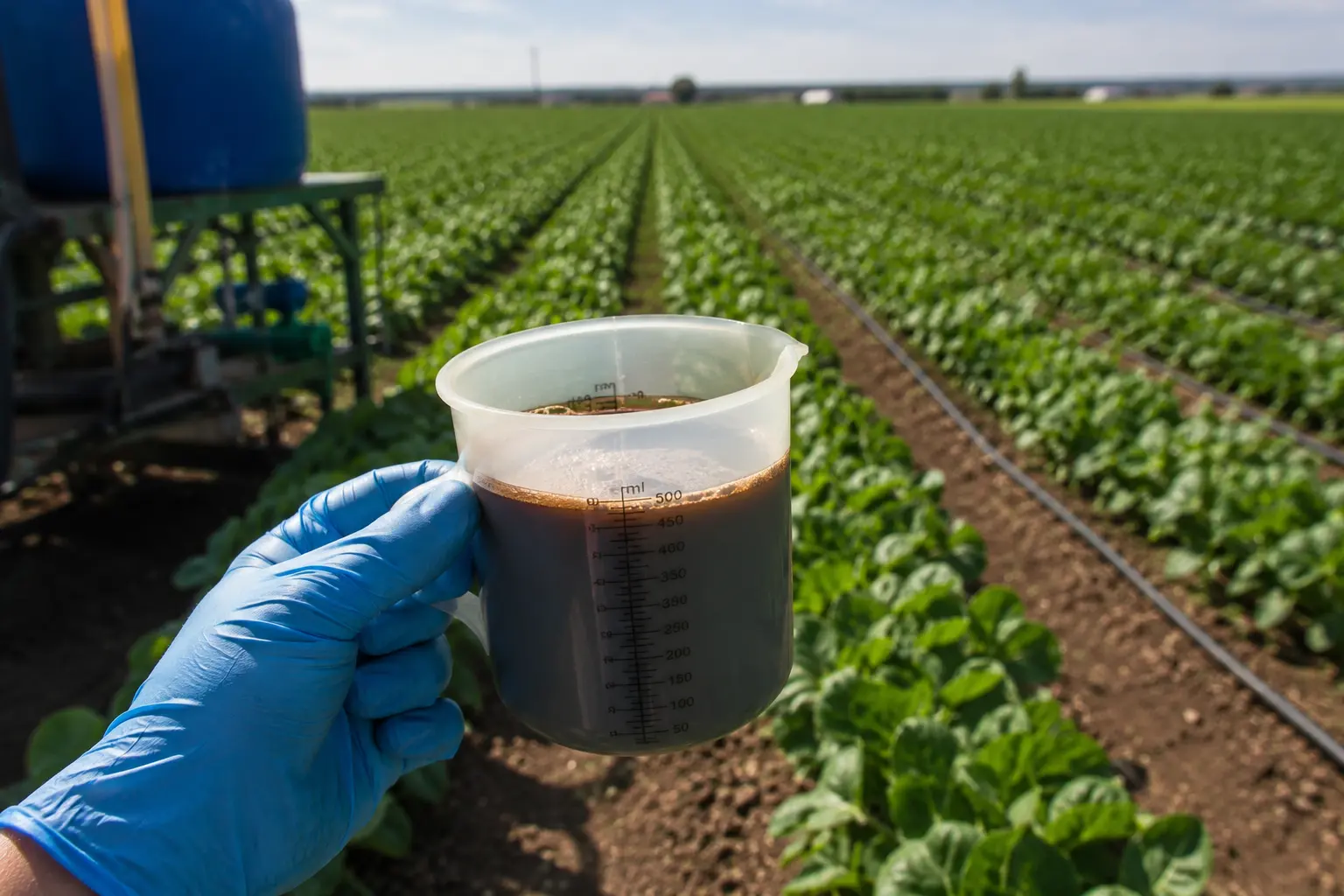
Plant biostimulants have become an essential component of modern crop management by supporting natural physiological processes that improve nutrient use efficiency, stress tolerance, and overall plant performance. However, achieving consistent results depends not only on selecting the right biostimulant but also on applying it at the appropriate growth stage, using the correct application method, and following recommended dosage rates.
Drought and frost are becoming increasingly common challenges in modern agriculture, directly affecting crop growth and productivity. Plant biostimulants strengthen the plant’s natural defense mechanisms by supporting root development, osmotic regulation, cellular stability, and antioxidant activity rather than creating a physical protective barrier. This article explains how biostimulants improve plant resilience to environmental stress and contribute to more stable and sustainable crop production.
Water scarcity and prolonged drought are among the most significant challenges affecting agricultural productivity. Plant biostimulants improve water-use efficiency by supporting root development, maintaining cellular water balance, and optimizing physiological processes under limited water conditions. This article explores how biostimulants help crops adapt to drought stress while contributing to more resilient and sustainable agricultural production.
Abiotic stress factors such as drought and frost can significantly reduce crop productivity by disrupting normal plant physiology. Rather than forming a physical barrier, plant biostimulants strengthen the plant’s natural defense mechanisms by supporting root development, osmotic regulation, antioxidant activity, and efficient water use. This article explores how biostimulants help crops tolerate environmental stress and contribute to more resilient and sustainable agricultural production.
Plant biostimulants are increasingly recognized as an essential component of sustainable agriculture. Rather than supplying nutrients directly, they enhance natural physiological processes that improve nutrient use efficiency, root development, water-use efficiency, and tolerance to abiotic stress. This article explores how biostimulants work, their key benefits for crop production, and their role in supporting resilient and efficient agricultural systems.