
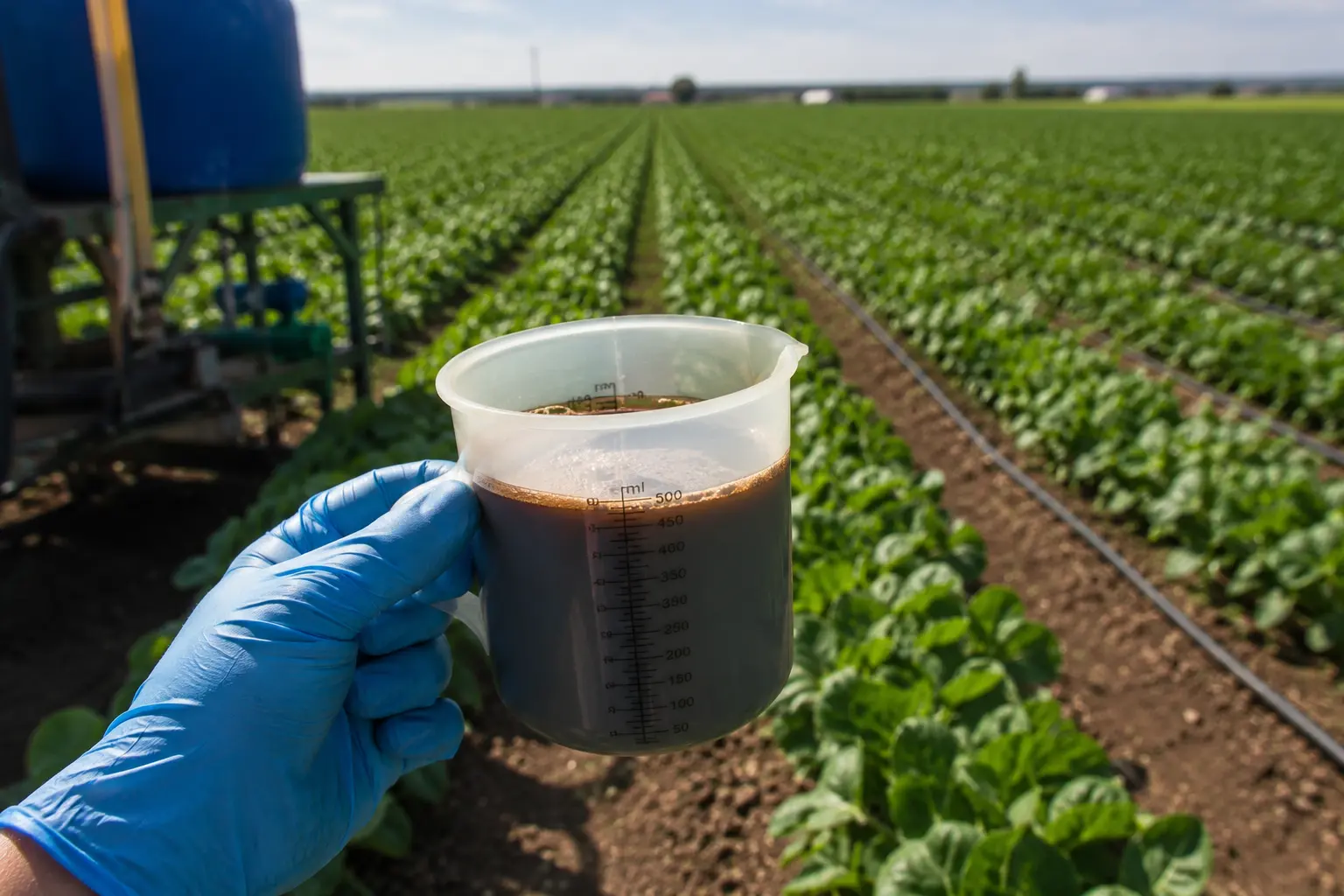
Plant biostimulants have become an essential component of modern crop management by supporting natural physiological processes that improve nutrient use efficiency, stress tolerance, and overall plant performance. However, achieving consistent results depends not only on selecting the right biostimulant but also on applying it at the appropriate growth stage, using the correct application method, and following recommended dosage rates.
Unlike fertilizers, biostimulants do not supply significant quantities of nutrients. Instead, they optimize the plant’s ability to utilize available resources more efficiently. For this reason, application strategy is just as important as product selection. Understanding when and how to apply biostimulants allows growers to maximize their effectiveness while maintaining balanced crop development.
Why Application Timing Matters
Plant physiological activity changes continuously throughout the growing season. Root establishment, vegetative growth, flowering, fruit development, and environmental stress all require different metabolic responses.
Applying biostimulants during key developmental stages enables plants to respond more effectively to these changing physiological demands.
Early applications following transplanting or emergence help stimulate root establishment and improve nutrient uptake. During vegetative growth, biostimulants support canopy development and metabolic activity, while applications before flowering and fruit set help crops meet the increased energy requirements associated with reproductive development.
Biostimulants are also commonly applied before anticipated periods of environmental stress, allowing plants to strengthen their natural defense mechanisms before unfavorable conditions occur.
Choosing the Right Application Method
The effectiveness of a biostimulant also depends on how it is delivered to the plant.
Foliar application allows biologically active compounds to be absorbed directly through the leaves, providing rapid physiological responses. This method is particularly useful when supporting photosynthetic activity, improving stress tolerance, or supplying bioactive compounds during periods of active growth.
Soil application through drip irrigation or fertigation targets the root zone, where many biostimulants promote root development, nutrient uptake, and beneficial interactions within the rhizosphere. This approach is especially valuable during transplant establishment, root expansion, and long-term crop development.
The most appropriate application method depends on crop type, production system, growth stage, environmental conditions, and the specific characteristics of the biostimulant formulation.
Why More Product Does Not Mean Better Results
One of the most common misconceptions surrounding biostimulants is that increasing the application rate will produce greater yield.
Biostimulants function by stimulating natural physiological processes rather than forcing plant growth. Once the optimal dosage has been reached, applying additional product generally does not improve plant performance and may reduce application efficiency.
Following manufacturer recommendations and scientifically validated application rates allows crops to receive the intended physiological benefits while avoiding unnecessary input costs.
Consistent and properly timed applications typically provide better long-term results than excessive product use.
Integrating Biostimulants into Crop Management Programs
Biostimulants perform best when incorporated into a balanced crop management strategy.
They complement fertilization, irrigation, and other agronomic practices by improving the plant’s efficiency in utilizing available resources rather than replacing conventional inputs.
Combining proper nutrition, irrigation management, and well-timed biostimulant applications helps create healthier crops that are better prepared to tolerate environmental stress while maintaining stable productivity.
As climate variability and production challenges continue to increase, integrating biologically based technologies into routine crop management has become an increasingly valuable approach for sustainable agriculture.
Successful biostimulant applications depend on three essential principles: applying the right product, at the right dose, and at the right time.
Selecting the most appropriate application method and aligning treatments with key crop growth stages enables plants to maximize nutrient use efficiency, improve stress tolerance, and maintain balanced physiological activity throughout the production cycle.
When used according to scientifically supported recommendations, plant biostimulants become an effective tool for improving crop performance while supporting more efficient and sustainable agricultural production.