
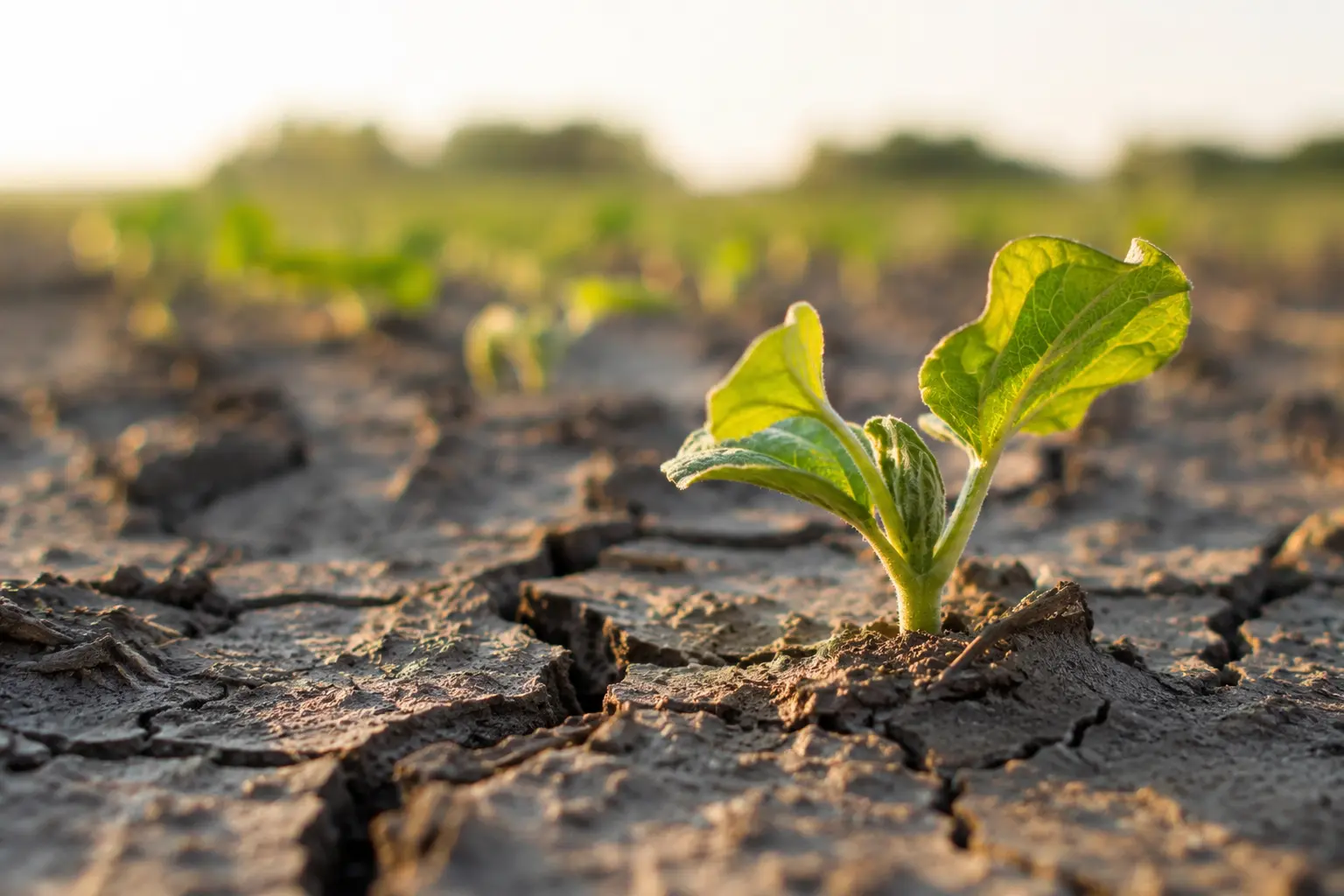
Drought is one of the most significant environmental challenges affecting modern agriculture. As water availability declines, plants experience physiological stress that limits nutrient uptake, reduces photosynthetic activity, slows growth, and ultimately decreases crop productivity. With climate change increasing the frequency and duration of drought events worldwide, improving plant resilience has become a key objective of sustainable crop production.
Plant biostimulants have emerged as valuable tools for helping crops adapt to water-limited environments. Unlike irrigation systems, biostimulants do not supply water directly to plants. Instead, they enhance the plant’s natural physiological processes, allowing crops to use available water more efficiently, improve access to soil moisture, and better tolerate drought stress.
By supporting multiple biological mechanisms simultaneously, biostimulants contribute to healthier plant development and more stable agricultural production under challenging environmental conditions.
Why Drought Severely Affects Plant Growth
Water is essential for virtually every physiological process within the plant.
During drought conditions, reduced soil moisture limits the plant’s ability to absorb both water and nutrients. As cellular dehydration progresses, stomata begin to close to minimize water loss, reducing carbon dioxide uptake and slowing photosynthesis. This decline in metabolic activity restricts plant growth and can significantly reduce yield and crop quality.
If drought persists, oxidative stress also increases, causing additional damage to cellular structures and further limiting plant performance.
Helping plants maintain physiological balance during water deficit is therefore essential for improving drought resilience.
Supporting Cellular Water Balance Through Osmotic Regulation
One of the most important mechanisms promoted by plant biostimulants is osmotic regulation.
Amino acid-based biostimulants support the accumulation of compatible osmolytes, including compounds such as proline, that help maintain intracellular water balance during periods of water deficit.
These naturally occurring molecules assist plant cells in retaining water, preserving cell turgor, and reducing the negative effects of dehydration on metabolic activity.
By supporting osmotic adjustment, biostimulants enable plants to maintain healthier physiological function even when soil moisture becomes limited.
Promoting Stronger Root Development
A healthy root system is fundamental to drought tolerance.
Plant biostimulants stimulate the formation of fine feeder roots while encouraging deeper and more extensive root development. This improved root architecture increases the volume of soil explored by the plant, allowing more efficient access to available water and nutrients.
Stronger root systems not only improve water uptake during drought but also enhance crop establishment, nutrient acquisition, and overall plant vigor throughout the growing season.
Improved root development represents one of the primary long-term benefits associated with biostimulant applications.
Improving Water-Use Efficiency Through Stomatal Regulation
Plants naturally regulate water loss through microscopic pores known as stomata.
During drought, excessive stomatal closure helps conserve water but simultaneously limits photosynthesis by reducing carbon dioxide uptake.
Biostimulants support the physiological signaling pathways involved in stomatal regulation, helping plants maintain a more balanced response to water stress.
Rather than allowing excessive water loss or completely restricting gas exchange, plants are better able to optimize water-use efficiency while sustaining essential physiological activity.
This balanced regulation contributes to healthier growth under moderate drought conditions.
Protecting Plant Cells from Oxidative Damage
Water deficit not only reduces growth but also increases oxidative stress within plant tissues.
Under drought conditions, excessive production of reactive oxygen species (ROS) damages proteins, lipids, DNA, and cellular membranes if not effectively neutralized.
Plant biostimulants stimulate the plant’s endogenous antioxidant defense system, enhancing the activity of enzymes responsible for detoxifying these reactive molecules.
By reducing oxidative damage, biostimulants help maintain cellular integrity, preserve metabolic activity, and improve recovery once favorable environmental conditions return.
Supporting Sustainable Crop Production
As climate variability continues to increase, improving drought resilience has become an essential component of sustainable agriculture.
Plant biostimulants complement irrigation, fertilization, and integrated crop management practices by strengthening the plant’s natural capacity to withstand environmental stress rather than replacing conventional agricultural inputs.
Through improved water-use efficiency, stronger root systems, enhanced cellular protection, and better physiological adaptation, biostimulants help growers maintain more stable crop performance under increasingly unpredictable weather conditions.
Drought remains one of the greatest limitations to agricultural productivity worldwide.
By supporting osmotic regulation, promoting root development, improving stomatal regulation, and strengthening antioxidant defense mechanisms, plant biostimulants help crops use available water more efficiently and better tolerate periods of water deficit.
Integrated into balanced crop management programs, biostimulants provide a science-based approach to improving drought resilience, protecting crop productivity, and supporting more sustainable agricultural systems in a changing climate.